




How to start dropshipping in Nigeria has become one of the smartest ways to make money online — especially as e-commerce in Nigeria continues to boom. Picture this: You’re sitting in a traffic jam on Third Mainland Bridge, scrolling through Instagram, when you realise someone just bought a product from your online store. The order goes straight to your supplier, who handles the packaging and delivery. You didn’t lift a finger, yet you just made a profit.
Sound too good to be true? Welcome to dropshipping.
With Nigeria’s e-commerce market hitting over $7 billion in 2023 (according to Statista), thousands of young Nigerians are discovering they can run entire businesses from their phones — no warehouse, no bulk purchases, no “Oga, the goods don reach?” stress.
Whether you’re an NYSC member looking for side income, a student tired of waiting for “when you graduate,” or someone who’s simply ready to own their time, this guide will show you exactly how to start.
Let’s dive in.
💡 So… What Exactly Is Dropshipping?
Think of dropshipping as being the middle person — but in a smart way.
Here’s the breakdown:
- You set up an online store and list products
- A customer places an order
- You forward that order to your supplier
- The supplier ships directly to your customer
- You pocket the difference between what you charged and what the supplier charged
Take Musa, for example. He’s a final-year student at Bayero University who sells wristwatches online. He’s never held a single watch in his hands. When someone orders, he simply sends the details to his supplier in Lagos, who handles everything else.
That’s it. No shop rent. No “goods expired.” No warehouse wahala.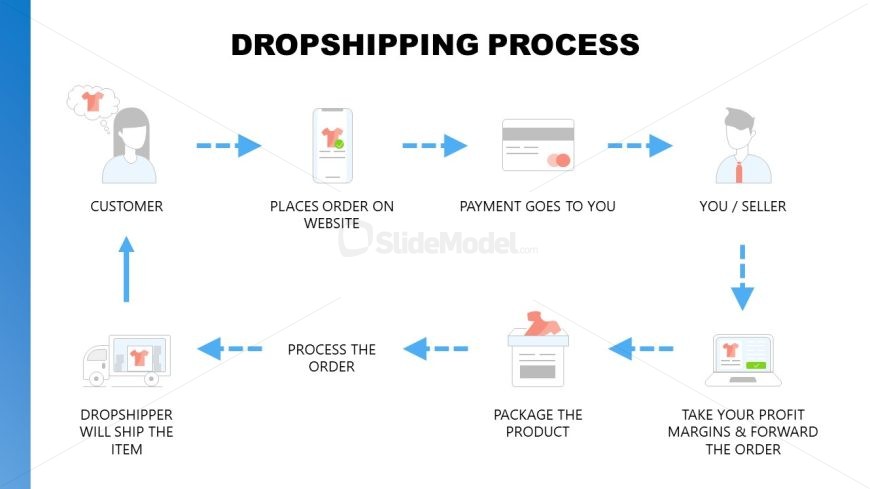
⚖️ Wait — Is This Even Legal in Nigeria?
Short answer? Absolutely.
Dropshipping is 100% legal in Nigeria. There’s no law stopping you from running this kind of business.
That said, if you want to be taken seriously (and you should), register your business with the Corporate Affairs Commission (CAC). It’s not expensive, and it does three important things:
- Makes customers trust you more
- Lets you use proper payment platforms like Paystack and Flutterwave
- Gives your brand legitimacy
Most payment gateways won’t even approve your account without a CAC certificate. So if you’re thinking long-term, don’t skip this step.
Need help with registration, branding, or even logo design? Brandspire handles all of that — they’re a digital marketing and branding agency that specialises in helping Nigerian entrepreneurs look professional from day one.
🚀 How to Start Dropshipping in Nigeria (Step-by-Step Guide)
🧩 Step 1 – Pick Your Niche
Before you do anything else, figure out what you want to sell. Don’t try to sell everything to everyone — that’s a recipe for confusion.
Popular niches in Nigeria right now include:
- Fashion and accessories
- Health and beauty products
- Phone gadgets and tech accessories
- Baby items and home essentials
Want to know what’s hot? Check Google Trends or scroll through TikTok to see what Nigerians are actually buying. A focused store always beats a scattered one.
🤝 Step 2 – Find Suppliers You Can Trust
Your supplier is your business partner, so choose carefully.
For international products, platforms like AliExpress, CJ Dropshipping, and Alibaba work well. But if you want faster delivery and fewer customs headaches, look for local suppliers in Lagos, Aba, or Onitsha. Companies like GIG Logistics and Kwik Delivery can handle nationwide shipping.
Before committing, check:
- Product reviews and ratings
- How long delivery takes to Nigeria
- Their return and refund policies
If a supplier is dodgy with communication or pricing, walk away. Your reputation depends on theirs.
🌐 Step 3 – Build Your Store
Once you know your niche and have suppliers lined up, it’s time to build your store.
Platforms like Shopify and WooCommerce make this easy — with BrandSpire, you’re covered. You pick a design, upload product photos, set your prices, and you’re live.
If you want something tailored to Nigerian buyers (with local payment options and mobile-friendly design), Brandspire can help. They specialise in Shopify and WooCommerce setups, plus they handle branding and marketing too.
Pro tip: Get a proper domain name. “smartgadgets.com.ng” sounds way more legit than “smartgadgets.wordpress.com.”
💳 Step 4 – Set Up Payments
Nigerian customers want two things: convenience and security. Your payment system needs to deliver both.
Use trusted gateways like:
- Paystack
- Flutterwave
- Stripe Atlas (if you’re targeting international buyers)
Make sure your checkout page is secure (look for the little padlock icon) and that it accepts both cards and bank transfers. People need options.
If tech stuff isn’t your thing, Brandspire can integrate everything seamlessly so your customers never have to worry.
📣 Step 5 – Market Like Your Business Depends on It (Because It Does)
Here’s the truth: You can have the best products in the world, but if nobody knows about your store, you won’t make a single sale.
Marketing is where most dropshippers either fly or crash.
Start with:
- Facebook and Instagram ads
- TikTok videos (short, relatable content works best)
- SEO (so people can find you on Google)
Did you know over 36 million Nigerians are on social media? (DataReportal 2024). Your customers are out there scrolling right now — you just need to show up.
A quick tip: Make your content relatable. If you’re selling kitchen tools, post a video showing how someone can cook jollof rice faster. If it’s fashion, show styling tips. Don’t just post product photos and expect magic.
And if marketing feels overwhelming, let Brandspire handle it. They run Facebook and Instagram ad campaigns that actually convert, plus they’ll boost your visibility on Google.
📦 Step 6 – Keep Your Customers Happy
Once orders start coming in, your job shifts to customer service.
Nigerians appreciate honesty. If there’s a delay, let people know. Update them on their order status. Reply to messages quickly.
Tools that help:
- WhatsApp Business for chatting with customers
- Google Sheets for tracking orders
- Chatbots for instant replies when you’re busy
Treat every customer like they’re coming back — because if you do it right, they will.
🌍 Real Story: From Rabbit Farming to Online Business
Let me tell you about Fatima.
She’s a small-scale rabbit farmer in Kaduna who wanted to earn more without expanding her farm. So she started a dropshipping store selling agricultural tools and rabbit feeds.
Using just her phone, she listed products from Lagos suppliers and a few from Alibaba. With Brandspire’s help, she built a simple Shopify store and ran Instagram ads.
Three months later? She’d made enough profit to invest in a rabbit-feed packaging line — without ever touching inventory.
That’s the power of dropshipping. It doesn’t matter if you’re a student, artisan, or farmer — you can start from anywhere.
 ⚙️ Common Challenges (And How to Handle Them)
Let’s be real — dropshipping isn’t always smooth. Here’s what to watch out for:
Shipping Delays: Be upfront with customers. Give them tracking numbers and keep them updated.
Currency Fluctuations: Price your products with a small buffer to absorb naira changes.
Customer Distrust: This is why branding matters. Get your CAC registration, verify your social media pages, and look professional.
Having a partner like Brandspire helps you avoid most of these headaches. They guide you through setup, branding, and marketing strategy so you’re not figuring it out alone.
🧰 Tools That’ll Make Your Life Easier
- Shopify / WooCommerce – For building your store
- Canva – For designing product images and ads
- ChatGPT, Gemini, or Claude – For writing product descriptions and blog posts
- Paystack / Flutterwave – For payments
- Brandspire – For full-service branding, SEO, and business growth
With these tools, you’ve got everything you need to run a profitable dropshipping business in Nigeria.
❓ Quick FAQs
Q: How much money do I need to start?
You can start with ₦50,000 to ₦150,000, depending on your ad budget and website costs.
Q: Can I dropship without CAC registration?
Technically, yes. But it’s risky. Payment gateways and customers won’t trust you as much.
Q: Which platform is best for beginners?
Shopify if you want ease and automation. WooCommerce if you want affordability and control.
Q: How long before I start making profit?
Usually 2–4 months if you’re consistent with marketing and testing products.
🏁 Final Thoughts — Start Small, Scale Smart
Dropshipping isn’t a get-rich-quick scheme. It’s a real business that requires commitment, consistency, and a willingness to learn.
But here’s the beautiful part: you can start small, test the waters, and scale at your own pace. The Nigerian digital space is exploding right now — and the people who act today will be the ones leading tomorrow.
If you’re ready to launch your store or take your brand to the next level, reach out to Brandspire — they’re an all-in-one digital marketing and branding agency helping Nigerians build, brand, and grow successful online businesses.
Your journey could start today. All it takes is one smart move.

